
Dubai Real Estate Snapshot: August 2026 Market Intelligence
An analysis of capital preservation strategies, off-plan absorption, and master-community growth across Dubai real estate in August 2026.
Capital Allocation Patterns in Mid-2026
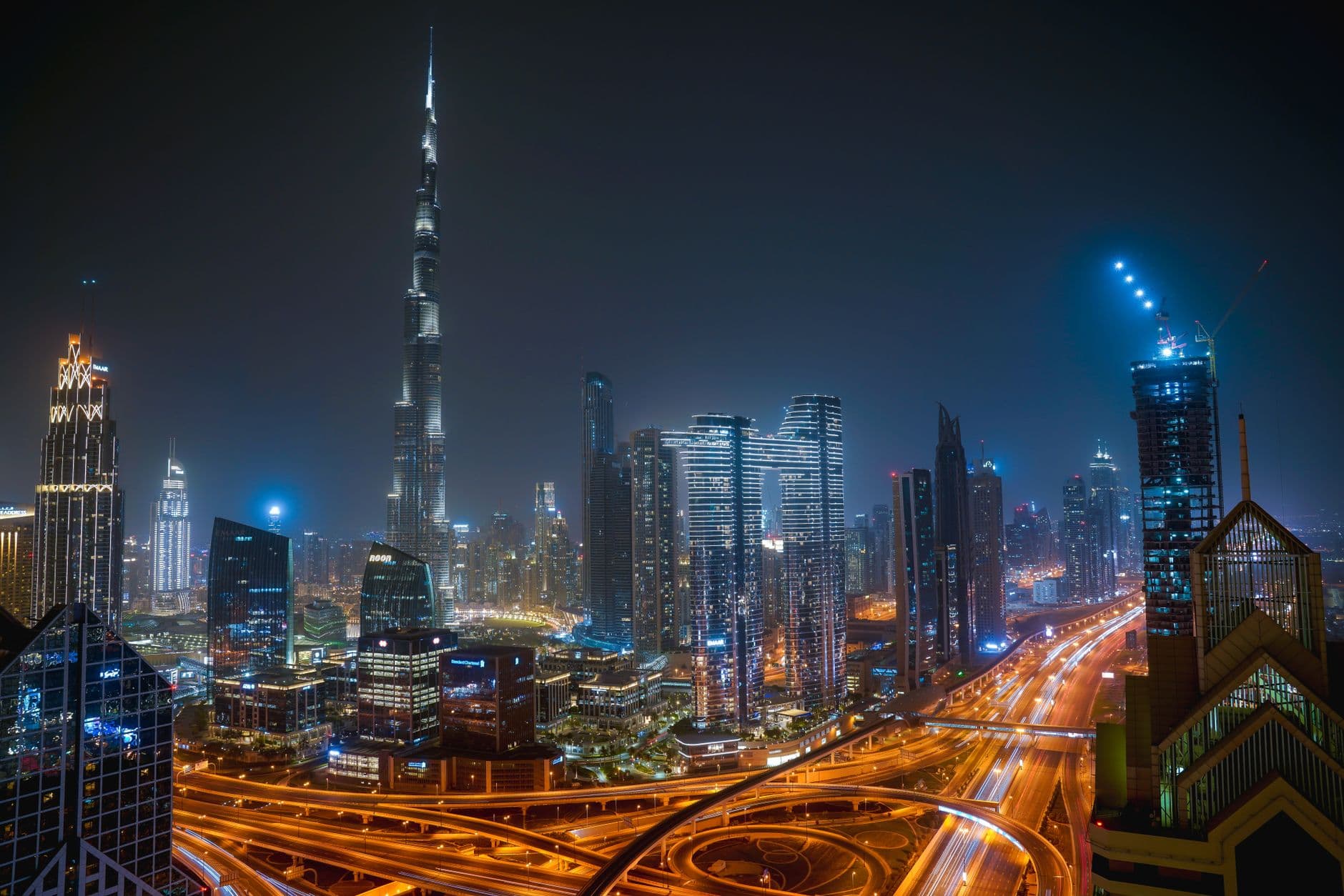
The Dubai real estate ecosystem mid-way through 2026 displays a distinct shift toward long-term capital preservation. Investors are moving away from short-term speculative flipping, where buyers attempt to re-sell a property contract for profit shortly after making an initial deposit, toward multi-year holding strategies focused on stable rental income and underlying equity growth. Institutional capital from Europe, Asia, and the wider Middle East continues to settle into established prime locations while simultaneously expanding into emerging infrastructure corridors.
When you look across the core residential hubs, premium inventory in locations like Downtown Dubai and Palm Jumeirah remains exceptionally tightly held. Private owners are increasingly holding ready assets rather than exiting into cash, opting to capture sustained elevated rental revenues. This retention of prime stock has directed secondary buyers toward high-quality off-plan projects, which are properties purchased prior to completion during the construction phase, where structural flexible payment schedules allow for staged capital deployment.
For international buyers evaluating this market, the current phase reward disciplined asset selection over hasty market entry. Rather than chasing headline launch excitement, savvy capital is benchmarking developers strictly on historical delivery track records, balance sheet strength, and quality of finish. Evaluating a developer's past performance during previous construction cycles provides a much clearer picture of future risk than any promotional brochure ever will.
Infrastructure Alignment and Urban Expansion
Private developer roadmaps are aligning directly with broader municipal infrastructure investments. The strategic blueprint laid out in the Dubai 2040 | Urban Master Plan continues to dictate where long-term asset value will concentrate, particularly as transportation networks, green corridors, and commercial nodes expand outward from the historical center.
Coastal expansion projects remain central to this long-term growth narrative. Waterfront development zones like Dubai Islands and Palm Jebel Ali represent multi-decade supply pipelines designed to capture international high-net-worth migration. These macro-developments are not built for quick absorption. Instead, they are constructed as fully integrated coastal communities designed to balance residential density with resort-style infrastructure, ensuring that capital invested today benefits from compounding surrounding infrastructure over a ten-to-fifteen-year horizon.
Connecting these mega-projects to the wider city is an expanding network of highways, mass transit lines, and urban utilities. As an investor, tracking public infrastructure capital expenditure gives you a reliable leading indicator of future tenant demand. Submarkets that receive early municipal infrastructure commitments consistently outperform adjacent areas in tenancy retention and long-term capital growth once handovers begin.
Balancing Off-Plan Sourcing and Ready Inventory
Understanding the operational balance between the off-plan segment and the ready market, which refers to existing, ready-built properties sold by previous owners, is crucial for structuring a resilient property portfolio. Off-plan acquisitions allow investors to enter the market with lower upfront equity requirements, spreading construction payments over several years. However, this strategy requires patience and an understanding of delivery timelines.
The secondary ready market, conversely, provides immediate revenue generation. Investors seeking instant cash flow are paying fair values for well-maintained ready units in mature communities, trading off the capital appreciation upside of early off-plan entry for the certainty of immediate lease returns.
+-------------------------------------------------------------------+
|                     PORTFOLIO ALLOCATION FRAMEWORK                |
+-------------------------------------------------------------------+
|  OFF-PLAN ACQUISITIONS            |  READY SECONDARY INVENTORY    |
|  - Staged equity deployment       |  - Immediate rental yield     |
|  - Capital appreciation upside    |  - Established tenant base    |
|  - Multi-year construction risk   |  - Full upfront equity cost   |
+-------------------------------------------------------------------+
A balanced approach often involves maintaining a core holding of ready, income-producing assets alongside a selective allocation to high-conviction off-plan developments. When assessing off-plan options, look closely at escrow account structures, where construction funds are held securely in government-monitored bank accounts and released to the builder only as verified construction milestones are achieved. This protective regulatory framework ensures your capital is deployed directly into the physical structure of your investment.
The Rise of Integrated Master Communities
Master-community developments remain the primary driver of market liquidity and user retention in Dubai. Major master developers like Emaar Properties, Sobha Realty, and DAMAC Properties have established an operational model that builds entire self-contained lifestyle ecosystems rather than isolated residential towers.
Communities like Dubai Hills Estate and Sobha Hartland demonstrate the clear financial advantage of integrated planning. By embedding international schools, healthcare facilities, central parks, and retail centers directly into the master layout, these developments create high barriers to tenant exit. Families who rent or buy inside a fully serviced master community rarely move outside of it, leading to higher retention rates, lower tenant turnover costs, and more predictable rental cash flows for property owners.
When evaluating standalone build projects against master-community units, consider the surrounding amenities carefully. A standalone building in an unintegrated pocket may offer lower entry pricing, but it often lacks the long-term pricing power and tenant demand stability of a property embedded within a master-planned neighborhood with active management and dedicated public spaces.
Evaluating Yield Metrics and Capital Preservation
Navigating investment options across Dubai requires a clear understanding of yield metrics. You will frequently hear marketing materials highlight gross yield, which represents the total annual rental income divided by the original purchase price, before accounting for ongoing operational costs. However, sophisticated institutional investors base their purchase decisions strictly on net yield, which is the actual profit remaining after subtracting annual service charges, property management fees, maintenance reserves, and government registration costs.
To protect net returns over time, investors must scrutinize a building's service fee history. High service fees charged on a per-square-foot basis to maintain common areas, security, and amenities can erode rental margins quickly if left unchecked. Highly efficient developments managed by reputable joint-property management companies tend to maintain consistent service charge levels while preserving structural asset quality.
+-------------------------------------------------------------------+
|                        YIELD EVALUATION DYNAMICS                  |
+-------------------------------------------------------------------+
|  GROSS YIELD  =  (Annual Rent / Purchase Price) x 100             |
|                                                                   |
|  NET YIELD    =  (Annual Rent - Operating Costs - Service Charges)|
|                  ------------------------------------------------ |
|                                   Purchase Price                  |
+-------------------------------------------------------------------+
Worth asking the same question of any developer or building board you are evaluating: how transparently are building maintenance funds managed, and what reserve funds are set aside for long-term mechanical upgrades? Capital preservation requires not just buying into the right location at the right time, but ensuring that the physical asset is maintained to institutional standards throughout its operational lifecycle.
The current Dubai property environment favors investors who pair long-term planning with strict financial analysis. By focusing on established master developments, verifying construction escrow milestones, and measuring returns on a net yield basis, capital owners can build resilient real estate portfolios that capitalize on the ongoing structural growth of the city.
You don't have to do this alone
Buying, selling, or investing in Dubai property? Get honest, data-backed guidance from Dubai Land Department records, and book a meeting with a gold-rated agent only when you want one.
Get free adviceMore from Market Watch
Curious how a specific developer measures up?
Browse developers →