
Dubai 2040 Plan: The 5 New Urban Centres and What They Mean for Buyers
A district-by-district look at Dubai's five designated 2040 urban centres, and the distinct property investment case each one represents for buyers.
Why five, and why these five
Rather than let Dubai's next wave of growth spread unpredictably across the emirate, the 2040 Urban Master Plan names five specific districts as designated urban centres: Deira & Bur Dubai, Downtown & Business Bay, Dubai Marina & JBR, the Expo 2020 District, and Dubai Silicon Oasis. These are where the plan concentrates future density, transport investment, and public infrastructure spending as Dubai's population grows from 3.3 million toward a projected 5.8 million by 2040.
For buyers, that concentration is genuinely useful information, it tells you where government investment is committed, not just where marketing is loudest. But the five centres aren't interchangeable. Each has a distinct history, a distinct role in the plan, and a distinct investment profile. Here's what differentiates them.
Deira & Bur Dubai: the historic core, reimagined
Deira and Bur Dubai are Dubai's original urban core, dense, historic, built around the Creek, and already fully established rather than emerging from raw land. Their inclusion as a 2040 urban centre signals a deliberate regeneration strategy: rather than only building new districts from scratch, the plan commits to reinvesting in the city's oldest neighbourhoods, upgrading infrastructure and increasing density in an area with genuine heritage character and an already-dense population base.
For buyers, this is a redevelopment and regeneration story more than a greenfield growth story. It tends to suit investors interested in established, high-footfall areas with strong existing rental demand, rather than those chasing the fastest capital appreciation from ground-up new supply.
Downtown & Business Bay: the established prime core
Downtown Dubai and Business Bay are already the emirate's best-known prime districts, anchored by landmarks like the Burj Khalifa and Dubai Mall. Their designation as a 2040 urban centre confirms continued investment in what's already Dubai's most internationally recognisable real estate address, rather than a shift of focus away from it.
This is the lowest-risk of the five in terms of demand certainty, it's proven, liquid, and well understood by both local and international buyers, but that also means entry prices reflect its established status. It suits buyers prioritising liquidity and brand recognition over the higher (and less certain) upside of an emerging district.
Dubai Marina & JBR: waterfront lifestyle density
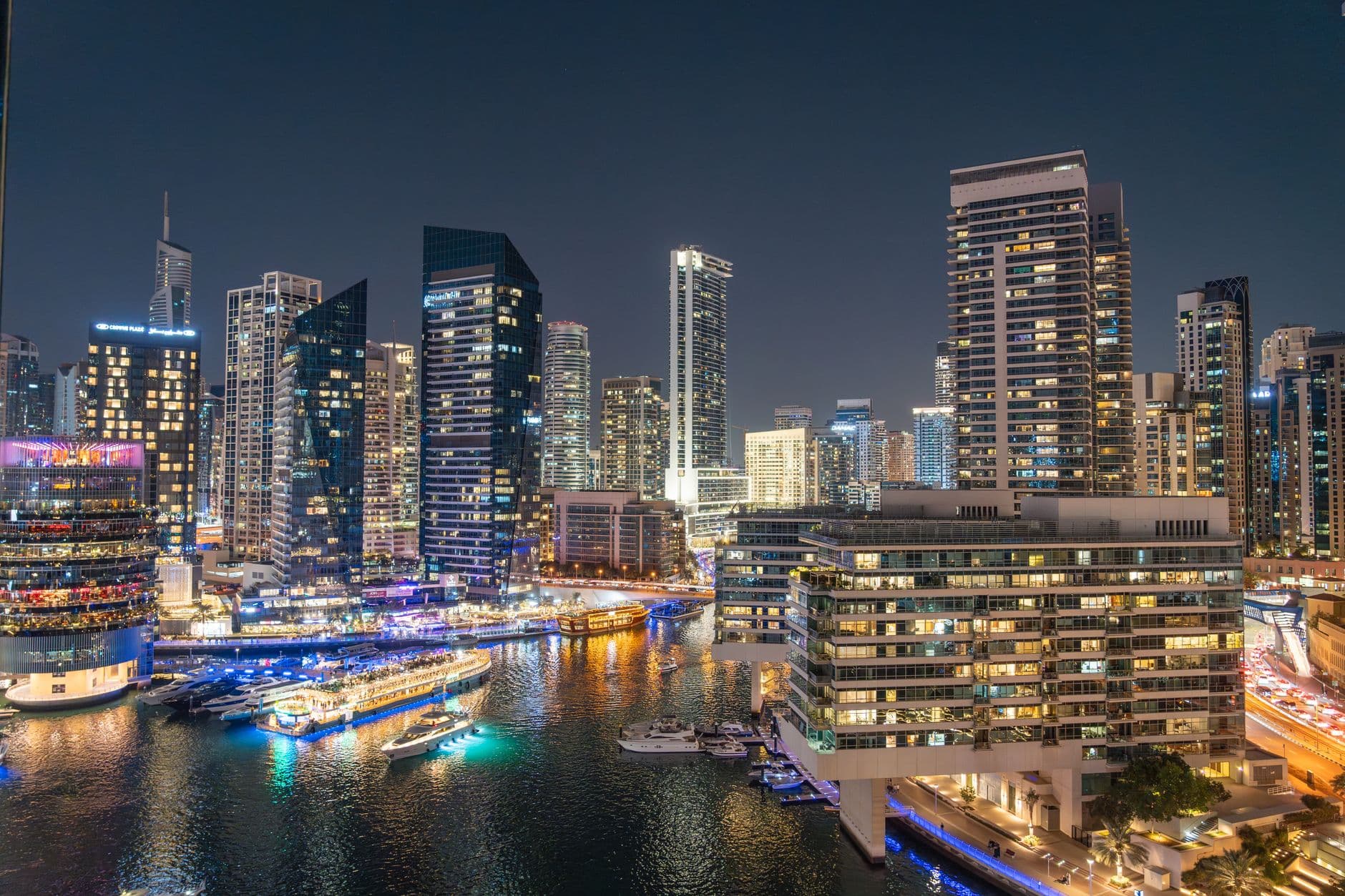
Dubai Marina and Jumeirah Beach Residence represent Dubai's established waterfront lifestyle model, dense residential towers, beach and marina access, and a strong short-term and long-term rental market driven by tourism as well as residency. Its inclusion as an urban centre reflects continued investment in coastal, amenity-rich density rather than treating the waterfront as already "finished."
Buyers drawn to this centre are typically weighing rental yield from a large, active tenant pool (both residents and holiday-let demand) against the fact that, like Downtown, it's an established rather than emerging market.
Expo 2020 District: mega-event legacy turned permanent city
The area built for Expo 2020 Dubai, now branded Expo City Dubai, is the plan's clearest example of turning temporary, world-fair-scale infrastructure into a permanent urban centre. Roads, utilities, and transport links built for a six-month global event become the backbone for a new district, which is a genuinely different growth mechanism from the other four centres.
This is the more speculative end of the five: infrastructure already exists at a scale most new districts take decades to build organically, but the residential and commercial population base is still being established. It suits buyers comfortable with a longer runway to maturity in exchange for entry at an earlier stage.
Dubai Silicon Oasis: the technology and innovation hub
Dubai Silicon Oasis is the plan's designated centre for technology and innovation-led growth, a free zone and residential community built around a tech-economy identity rather than tourism or finance. Its inclusion alongside the four more central districts signals that the plan sees economic diversification, not just population growth, as core to how Dubai expands.
For buyers, this centre offers a different demand driver than the others: it tends to draw a working, tech-sector tenant base rather than tourism-linked or purely residential demand, which can mean a different (and potentially more stable, less seasonal) rental profile.
Choosing between them isn't just about location
The right urban centre for a given buyer depends heavily on what they're optimising for, liquidity and brand recognition (Downtown & Business Bay), established rental yield (Marina & JBR), regeneration upside (Deira & Bur Dubai), early-stage entry into a purpose-built district (Expo City), or exposure to Dubai's tech economy (Silicon Oasis). None of the five is a universally "better" choice; they represent genuinely different theses within the same plan.
Whichever centre a project sits in, the developer behind it still matters as much as the location. Comparing delivery track records across Dubai property developers, including Emaar Properties, which has a substantial footprint in the Downtown & Business Bay corridor, is worth doing before committing to a specific project, regardless of how strong the underlying urban centre thesis is.
You don't have to do this alone
Buying, selling, or investing in Dubai property? Get honest, data-backed guidance from Dubai Land Department records, and book a meeting with a gold-rated agent only when you want one.
Get free adviceMore from 2040 Vision
Curious how a specific developer measures up?
Browse developers →