
Green Space in Dubai's 2040 Plan: Why It Matters for Property Investment
Dubai's 2040 Plan doubles green and recreational space. Here's the real, research-backed link between parks, proximity, and long-term property value.

A commitment that's easy to skim past
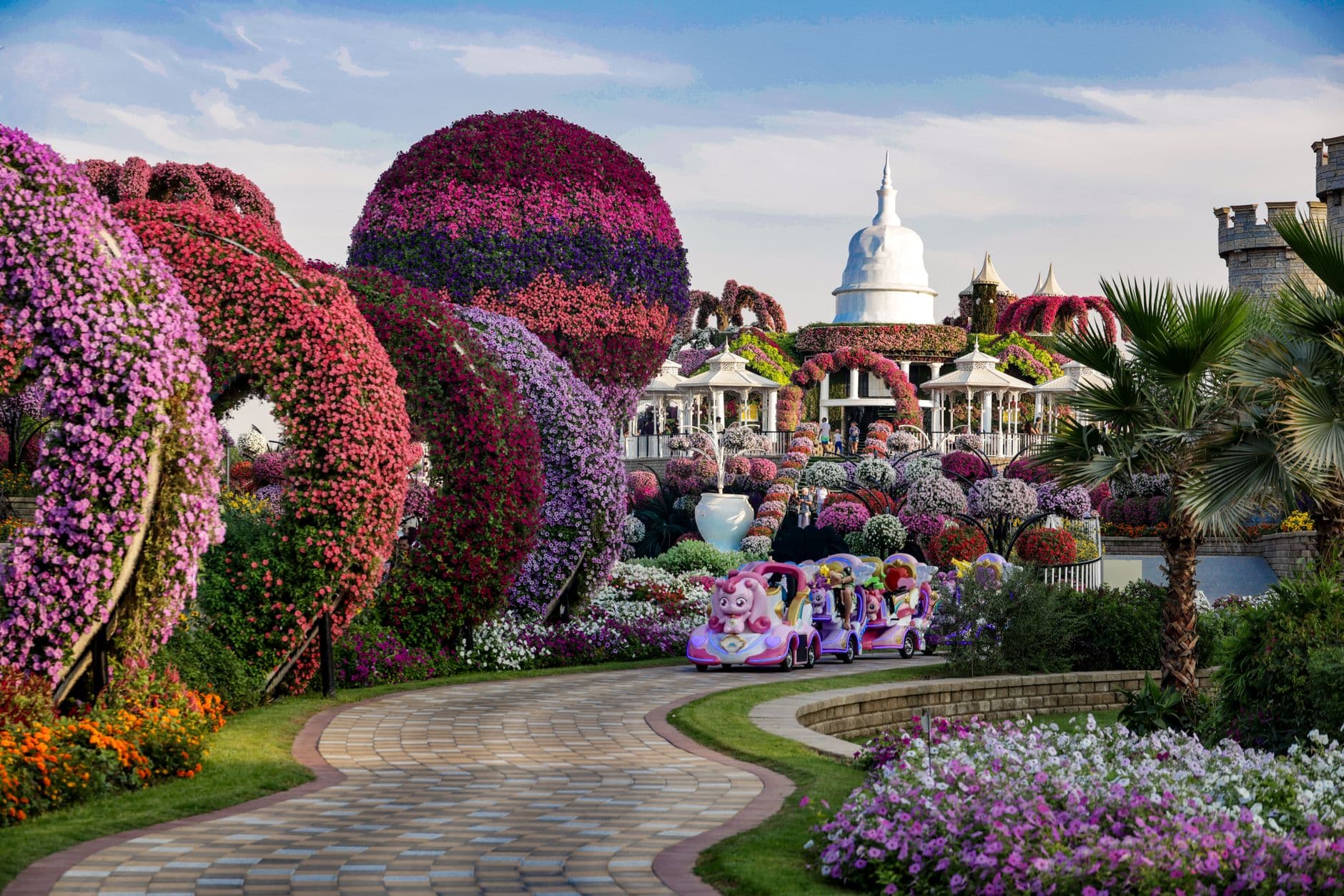
Buried among the more headline-grabbing figures in Dubai's 2040 Urban Master Plan, population growth, transport access, new urban centres, is a number that gets less attention than it deserves: green and recreational space across the emirate is set to increase by 105%, roughly doubling by 2040. That's not a minor landscaping commitment. It's a structural shift in how much of Dubai's land is allocated to parks, green corridors, and recreational open space, backed by the same National Housing Program and Urban Planning Law that underpins the rest of the plan.
For property investors, green space commitments are easy to file under "nice to have" rather than genuine value drivers. That's a mistake. There's a well-documented relationship in urban real estate markets worldwide between proximity to quality green space and both resale value and rental demand, often referred to as a "green premium." Dubai committing to double its green and recreational footprint is worth treating as a real input into location analysis, not just a livability footnote.
Why green space functions as a value driver, not just an amenity
Green space affects property value through a few concrete mechanisms, all of which apply as directly in Dubai as anywhere else:
It's a scarce, non-reproducible amenity. Unlike a gym or a pool, which any building can add, a park or green corridor is a fixed feature of a location. Once a neighbourhood has mature green space nearby, that scarcity tends to hold or increase in value as surrounding density grows, exactly the dynamic the 2040 Plan is engineering by pairing more green space with more urban density in its five designated centres.
It widens the buyer and tenant pool. Family buyers and long-term tenants, the demographic Dubai has explicitly said it wants to attract and retain as the city matures beyond a purely transient expat and tourism base, weigh access to parks and outdoor space heavily. A doubling of green and recreational space is a direct policy lever aimed at exactly that demographic.
It pairs with, rather than competes against, the plan's density goals. One of the risks of concentrating growth into five urban centres (as the 2040 Plan does) is that density without adequate green infrastructure tends to erode livability over time. Committing to double green space alongside that density is a signal the plan is trying to avoid that failure mode, which matters for the long-term desirability of the urban centres specifically.
Where this shows up first
Green space build-out won't happen uniformly or instantly across the emirate. It will track the same growth corridors as the rest of the plan, concentrated investment in and around the five designated urban centres (Deira & Bur Dubai, Downtown & Business Bay, Dubai Marina & JBR, the Expo 2020 District, and Dubai Silicon Oasis) rather than spread evenly citywide. Buyers evaluating a specific project should treat proximity to planned or existing green corridors within these zones as a genuine differentiator between two otherwise similar developments in the same district.
It's also worth reading this alongside the plan's other environmental commitments, 60% of Dubai's total land area is designated as nature reserves and natural areas, and public beach length is set to increase by 400%. Together, these figures point to a coherent strategy: growth concentrated in dense urban centres, offset by a much larger commitment to preserved and accessible natural space than most rapidly growing cities attempt. Our companion piece on nature reserves, beaches, and lifestyle-led growth covers that broader environmental picture in more depth.
What to actually check before buying on a green-space thesis
A stated policy commitment isn't the same as a finished park outside your window. Before treating "near planned green space" as a reason to pay a premium for a specific project, it's worth checking:
- Whether the green space referenced is already built, under construction, or still at the planning stage, these carry very different levels of certainty.
- Whether the project's own marketing is describing genuinely nearby, walkable green space, or a much larger district-level green space commitment that may not benefit that specific building directly.
- How the timeline for any planned green infrastructure compares to the project's own handover date, buying today for a park that completes in year twelve of a twenty-year plan is a different bet than buying near a park that already exists.
The bottom line
Dubai's commitment to double its green and recreational space by 2040 is a genuine, government-backed shift with real implications for long-term property value, not just a sustainability talking point. It rewards patient, location-specific diligence over developer marketing claims. As with every other angle on the 2040 Plan, it's a factor to weigh alongside developer track record and delivery risk, not a substitute for either, see our guide on Dubai property developers for how to evaluate the latter.
You don't have to do this alone
Buying, selling, or investing in Dubai property? Get honest, data-backed guidance from Dubai Land Department records, and book a meeting with a gold-rated agent only when you want one.
Get free adviceMore from 2040 Vision
Curious how a specific developer measures up?
Browse developers →